
Quickair
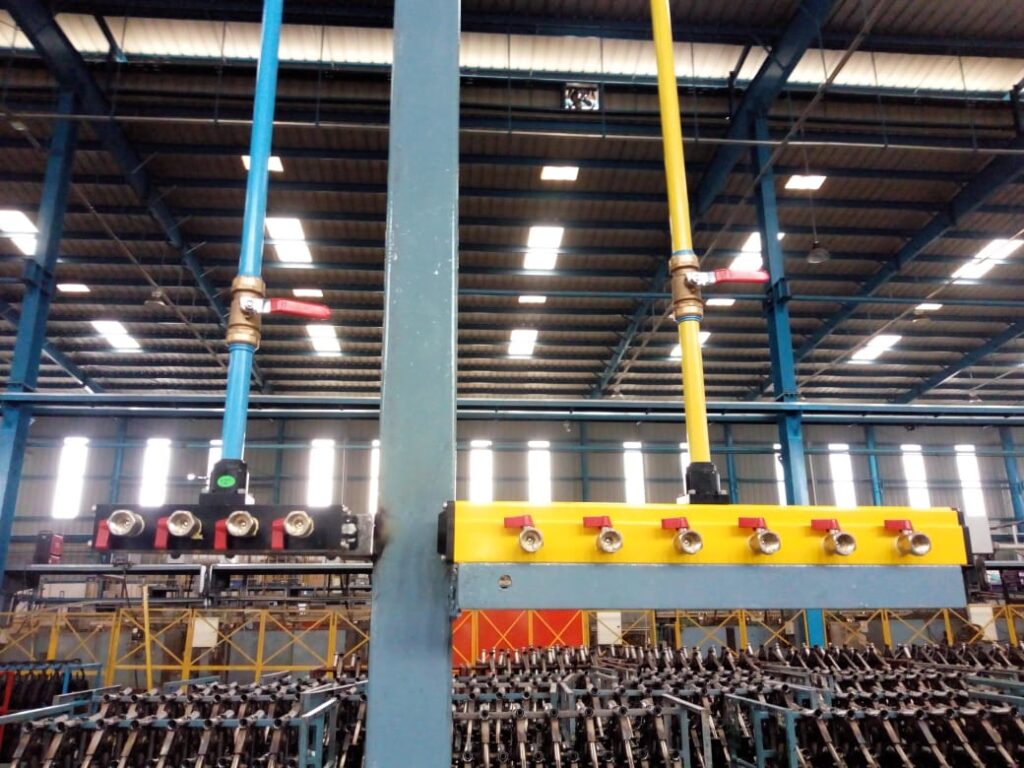
In compressed air systems, piping selection plays a critical role in energy efficiency, system reliability, and long-term operating cost. Traditionally, GI (Galvanized Iron) piping has been widely used, but with increasing energy costs and maintenance challenges, industries are now evaluating modern alternatives.
This case study compares traditional GI piping with Aluminium modular piping (QuickAir) under identical operating conditions to evaluate performance, pressure loss, and energy efficiency.
| Parameter | Specification |
|---|---|
|
Pipe Length |
500 meters |
|
Air Flow |
500 CFM |
|
Pipe Diameter |
50 mm |
|
Operating Pressure |
~7 bar |
|
Operation |
Continuous industrial use
|
Small pressure losses across long pipe runs force compressors to work harder, increasing power usage.
Increased energy demand directly results in higher electricity and maintenance costs.
Rough internal surface that worsens over time due to corrosion.Threaded joints prone to leakage
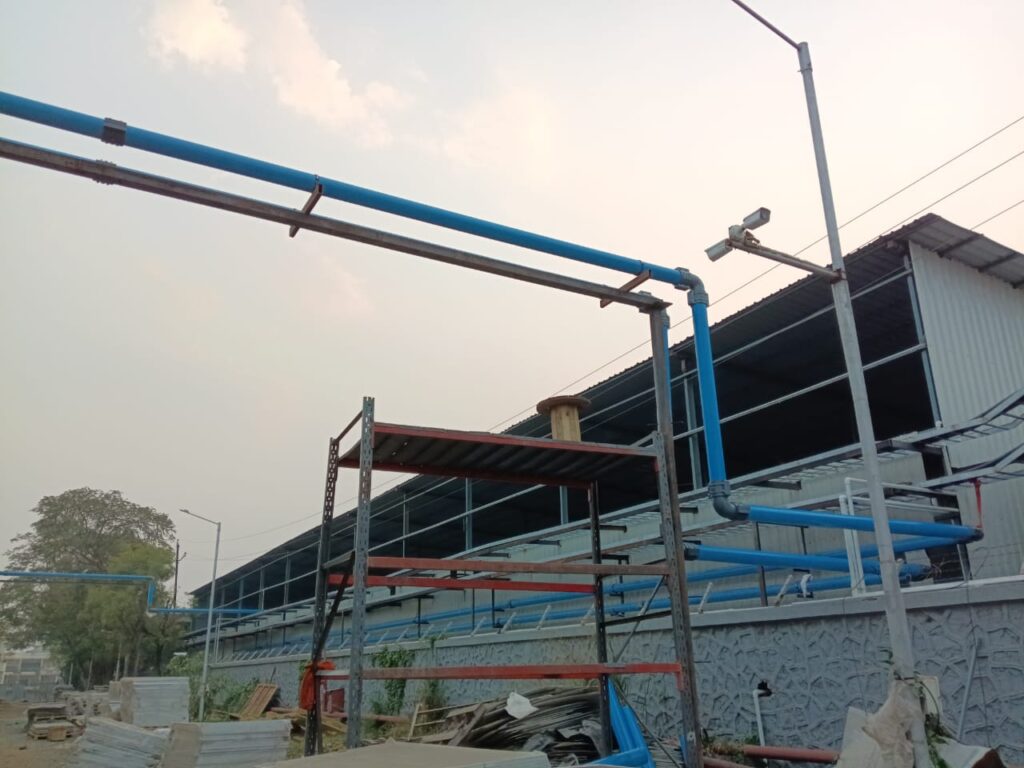
Smooth internal bore with non-corrosive aluminium.Modular, leak-tight connections
Small pressure losses across long pipe runs force compressors to work harder, increasing power usage.
Increased energy demand directly results in higher electricity and maintenance costs.
Rough internal surface that worsens over time due to corrosion.Threaded joints prone to leakage
Smooth internal bore with non-corrosive aluminium.Modular, leak-tight connections
| Parameter | GI Pipe | Aluminium Pipe (QuickAir) |
|---|---|---|
|
Internal Surface |
Rough, corrodes over time |
Smooth, non-corrosive |
|
Joint Type |
Threaded (leak-prone) |
Modular, leak-tight |
|
Pressure Drop / 100 m |
~0.18–0.20 bar |
~0.10–0.12 bar |
|
Total Pressure Drop / 500 m |
~0.9–1.0 bar |
~0.5–0.6 bar |
Links
Contact Us
Your contact information helps us serve you better.